


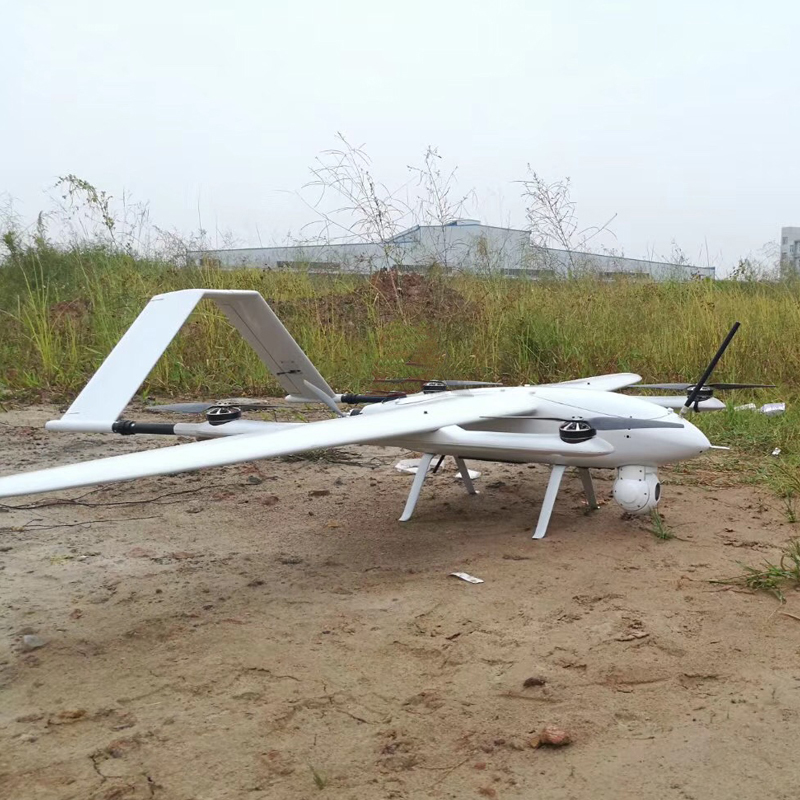

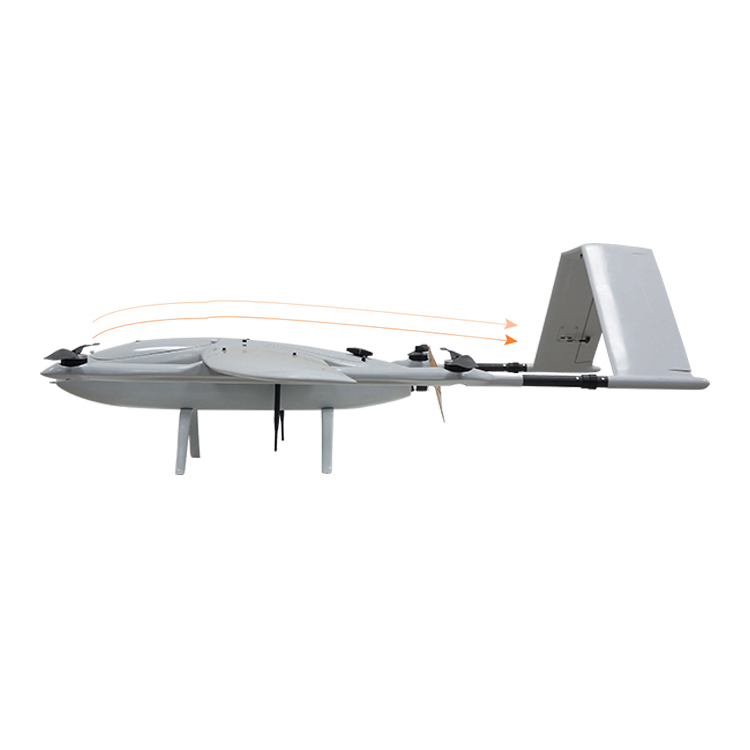
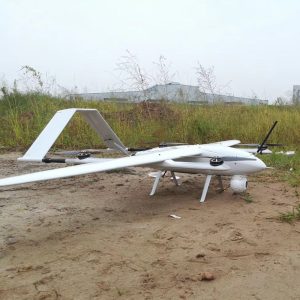
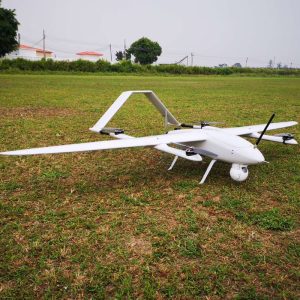
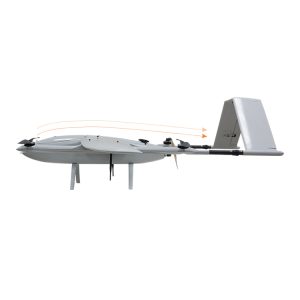

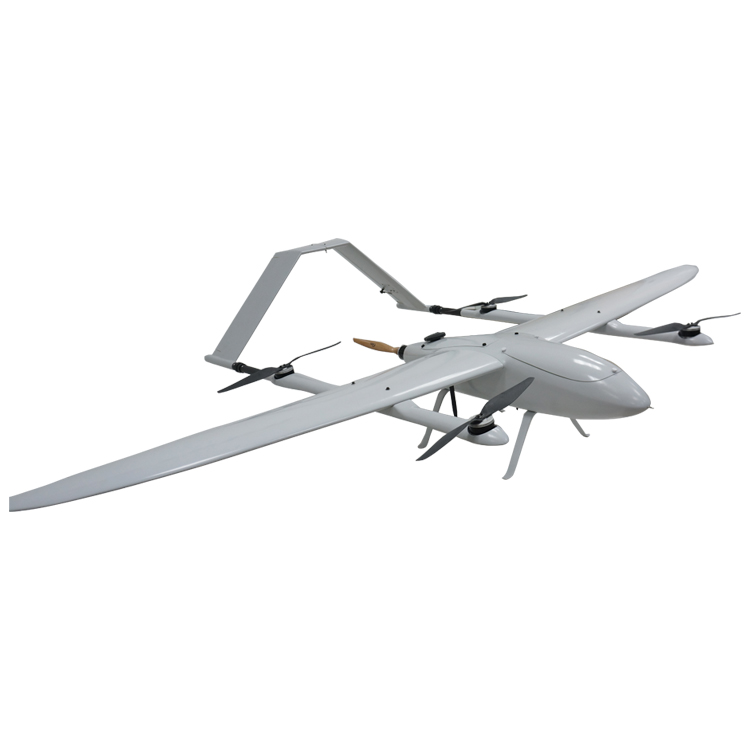
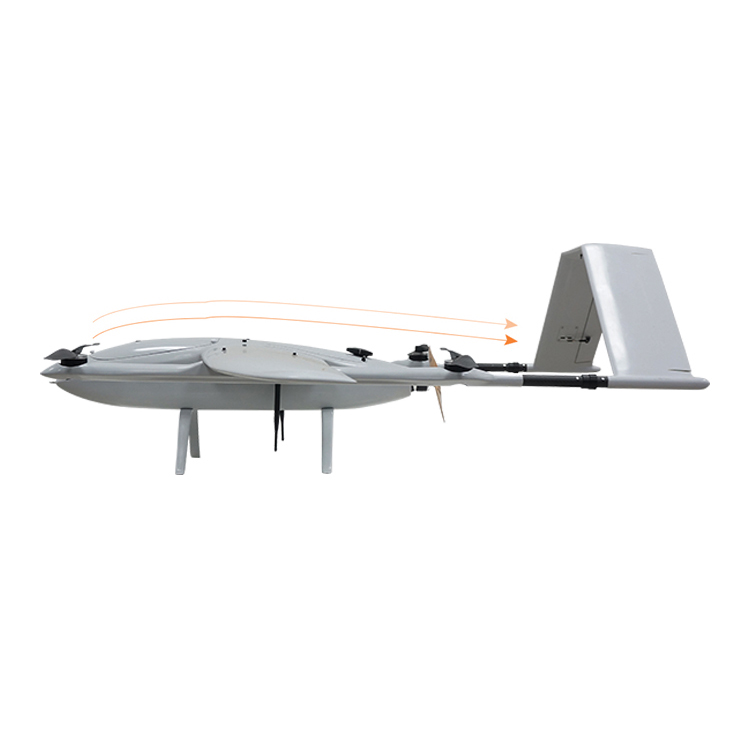
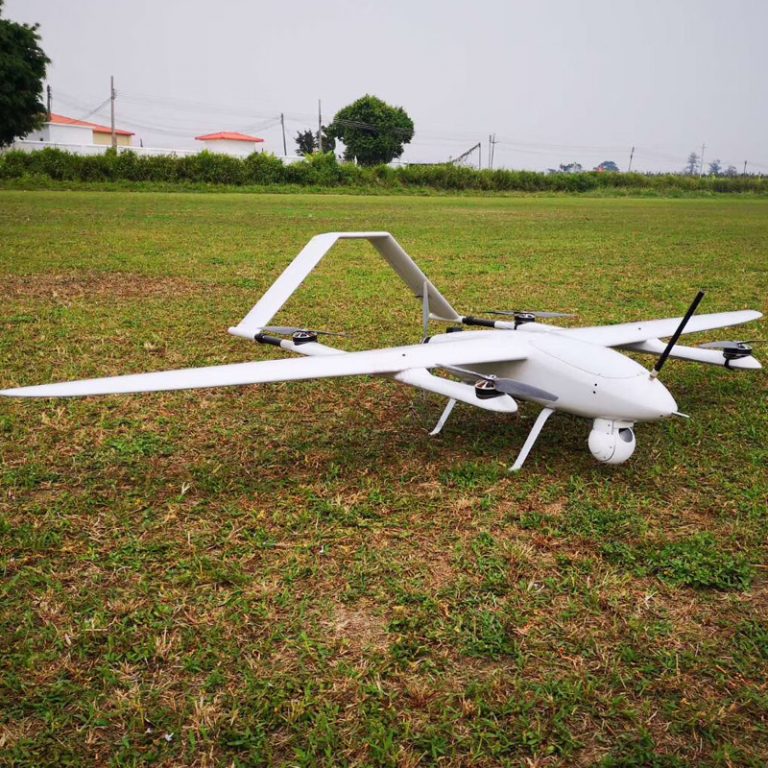
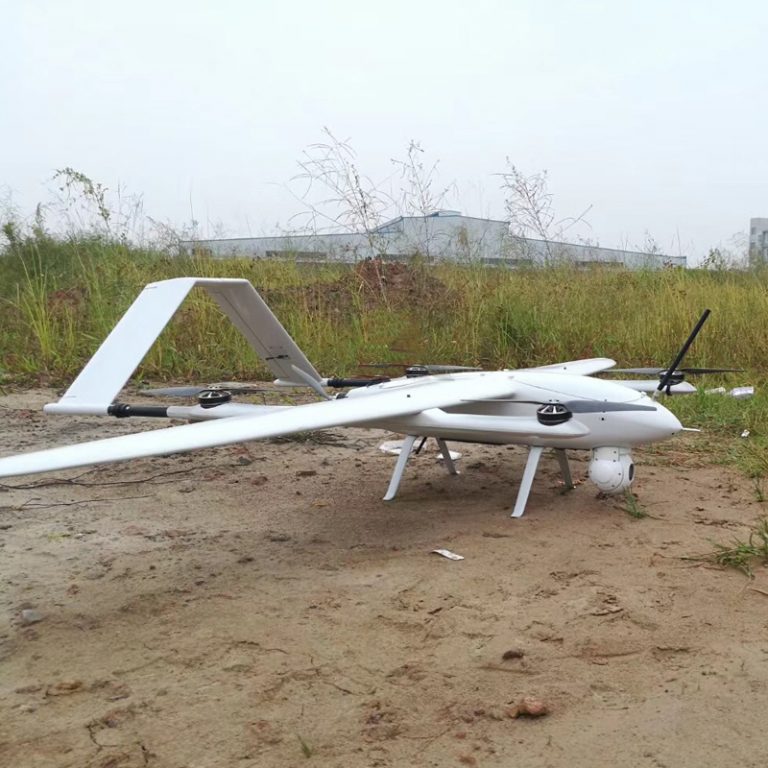
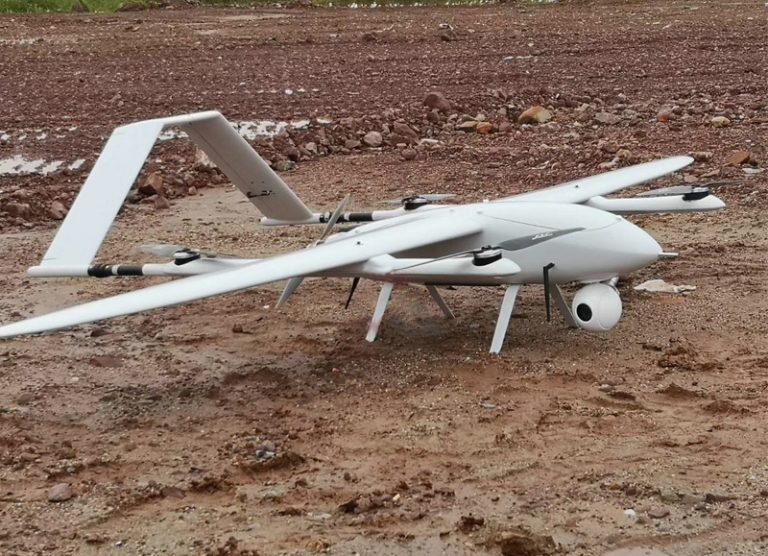
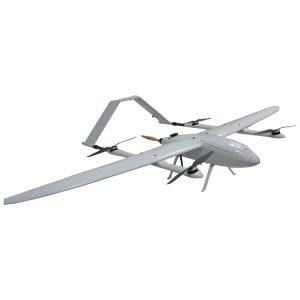
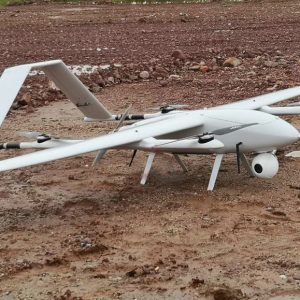
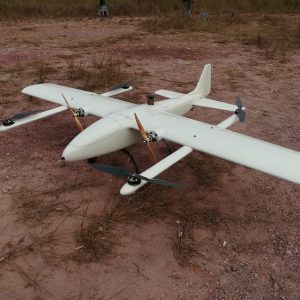
VTOL KIT 320 Armazón de ala fija Eléctrico 2 Horas de Resistencia UAV Aéreo de Video Vigilancia 3D Encuesta Cartografía Drone edificio
VTOL KIT VTOL is a vertical take-off and landing (VTOL) aircraft is one that can hover, take off, and land vertically. This classification can include a variety of types of aircraft including fixed-wing aircraft as well as helicopters and other aircraft with powered rotors, such as cyclogyros/cyclocopters and tiltrotors.[1] Some VTOL aircraft can operate in other modes as well, such as CTOL (conventional take-off and landing), STOL (short take-off and landing), and/or STOVL (short take-off and vertical landing). Others, such as some helicopters, can only operate by VTOL, due to the aircraft lacking landing gear that can handle horizontal motion. VTOL is a subset of V/STOL (vertical and/or short take-off and landing). Some lighter-than-air aircraft also qualify as VTOL aircraft, as they can hover, takeoff, and land with vertical approach/departure profiles. Electric and hybrid-electric vertical takeoff and landing aircraft eVTOL is a technology being used in the quest for fully autonomous passenger air vehicles (PAV). Besides the ubiquitous helicopter, there are currently two types of VTOL aircraft in military service: craft using a tiltrotor, such as the Bell Boeing V-22 Osprey, and another using directed jet thrust, such as the Harrier family and new F-35B Lightning II Joint strike Fighter (JSF). In the civilian sector currently only helicopters are in general use (some other types of commercial VTOL aircraft have been proposed and are under development as of 2017). Generally speaking, VTOL aircraft capable of STOVL use it wherever possible, since it typically significantly increases takeoff weight, range or payload compared to pure VTOL.
| MTOW | 20.3kg |
| Weight w/o battery and payload | 9.69kg |
| Envergadura | 3200 mm |
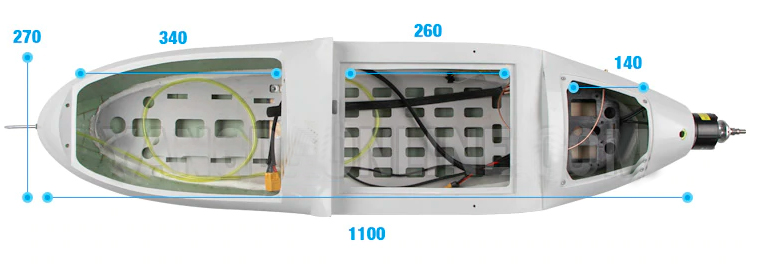
| Longitud | 1,200 mm |
| Altura | 500 mm |
| Peso del bastidor | 3.2kg |
| Max payload(battery included) | 10.61kg |
| Battery weight | 7.53kg |
| Endurance(20.3kg take-off weight) | 2.5 hours |
| Velocidad de crucero | 78-90km/h |
| Velocidad máxima | 100km/h |
| Velocidad de pérdida | 57,6 km/h |
Recommended Set-up:
4 x T-motor MN605S 210KV
4 x Hobbywing 12S 80A ESC
2 x 2266 CF Propeller CW&CCW
1 x Hobbywing 12S 120A ESC
1 x Dualsky XM6360EA-22 KV190
1 x Wood 19*12 Propeller CW
4 x KST DS135MG Servo
1 x PX4 Air Speedometer
1 x Power Module For Pixhawk 2.1
1 x Pixhawk 2.1 Standard Set with Here 2 GNSS
1 x YR16S Radio Controller
2 x 6S 28000mAh NCR18650GA battery
2 x TATTU 6S 8000mAh 25C Lipo battery
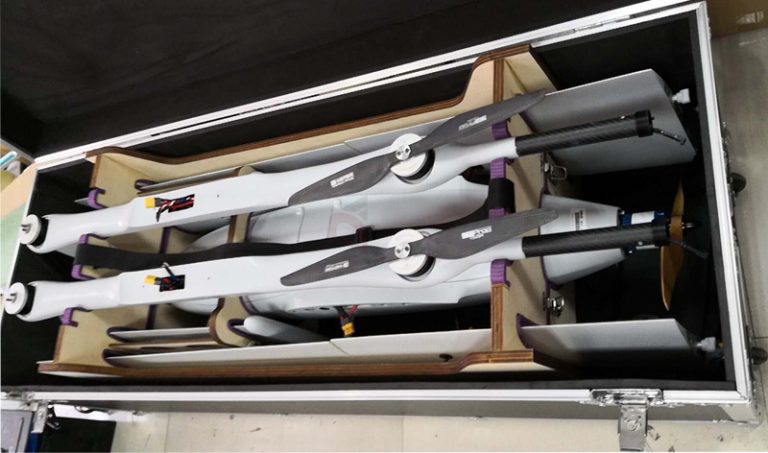
¡NOTA: EL PRECIO ES SÓLO KIT, SIN NINGÚN TIPO DE ELECTRÓNICA, Y EL EMBALAJE ES EN CAJA DE MADERA NO EN CAJA DE ALUMINIO!


| Peso | 100 kg |
|---|---|
| Opciones | Aluminum Box, KIT Carbon Fiber Material |
Sé el primero en valorar “VTOL KIT 320 Fixed wing frame Electric Powered 2 Hours Endurance UAV Aerial Video Surveillance 3D Survey Mapping Drone building”
Debes acceder para publicar una valoración.
Productos relacionados
VTOL fuselaje
drone de larga resistencia 3 horas VTOL cola V para la cartografía de vigilancia VTOL Frame KIT

Motor del dron


VTOL fuselaje

Transmisor y receptor
Vídeo y datos de largo alcance de 100 KM y telemetría para UAV
 ES
ES  EN_US
EN_US  RU
RU  AR
AR  HE
HE  DE
DE  FR
FR 


Valoraciones
No hay valoraciones aún.